
“Poetry Is Dead.” Or Is It?
For years, the narrative has been loud and consistent: poetry is dead. It’s no longer taught with passion, rarely discussed in mainstream culture, and often dismissed as outdated or overly abstract. In a world dominated by fast content, short attention spans, and algorithm-driven feeds, poetry can feel like it simply doesn’t belong anymore. But that claim, while attention-grabbing, is only half the story. Because beneath the surface, something unexpected is happening. Poetry isn’t dying. It’s evolving, and quietly staging a comeback.
Why Poetry Seemed to Disappear
1. The Attention Economy Took Over
Modern content consumption is built on speed. Platforms like TikTok, Instagram, and YouTube reward quick hits of entertainment, videos under 60 seconds, captions you can skim, and visuals that require no deep thinking. Poetry, by contrast, demands pause. Reflection. Interpretation. That doesn’t mesh well with endless scrolling.
2. Education Made Poetry Feel Like Work
For many people, their last real exposure to poetry was in school, analyzing dense works by poets like William Shakespeare or Emily Dickinson.
Instead of experiencing poetry emotionally, students were often trained to dissect it academically:
The result? Poetry became something to solve, not something to feel.
3. The Rise of Entertainment-First Culture
Streaming platforms, gaming, and social media have reshaped how people spend their free time. Compared to binge-watching a series or scrolling through memes, reading poetry can feel like a heavier lift.
So naturally, it got pushed aside.
The Data: Is Poetry Really Declining?

Here’s where things get interesting.
While poetry once saw a significant drop in readership in the late 20th century, recent data suggests a reversal.
- According to the National Endowment for the Arts, poetry readership in the U.S. has grown significantly since the early 2010s.
- Millions of adults now report reading poetry annually, more than at any point in decades.
- Poetry book sales have surged, especially among younger audiences.
One standout example: Milk and Honey by Rupi Kaur sold millions of copies worldwide, something almost unheard of for a poetry book just a generation ago.
Even major publishers are paying attention again.
So what changed?
Why Poetry Is Making a Comeback

1. Social Media Reinvented Poetry
Ironically, the same platforms blamed for killing attention spans are helping revive poetry.
Short-form, visually appealing poems are thriving on:
These platforms favor:
- Brevity
- Emotional punch
- Shareability
Which is exactly what modern poetry delivers.
2. Poetry Became Relatable Again
Traditional poetry often felt distant or overly complex.
Modern poets like Rupi Kaur, Atticus, and Lang Leav changed that by writing in plain, accessible language about:
- Love
- Anxiety
- Healing
- Identity
Readers don’t need a literature degree to connect anymore.
There’s growing interest in emotional well-being, and poetry fits perfectly into that space.
Studies referenced by organizations like the American Psychiatric Association and research hosted on the National Library of Medicine highlight the benefits of expressive writing:
- Reduced stress
- Improved emotional clarity
- Better mental health outcomes
Poetry offers a structured yet creative way to process thoughts and feelings.
4. The Rise of “Micro-Content”
Modern poetry often looks very different from traditional forms:
- Short
- Minimalist
- Visually spaced
This aligns perfectly with how people consume content today.
In many ways, poetry didn’t shrink, it adapted.
5. A New Generation of Readers
Younger audiences, especially Gen Z, are driving poetry’s resurgence.
They value:
- Authenticity
- Emotional honesty
- Personal storytelling
Poetry delivers all three.
And unlike previous generations, they’re discovering poetry organically through feeds, not classrooms.
Poetry Book Sales: A Quiet Boom
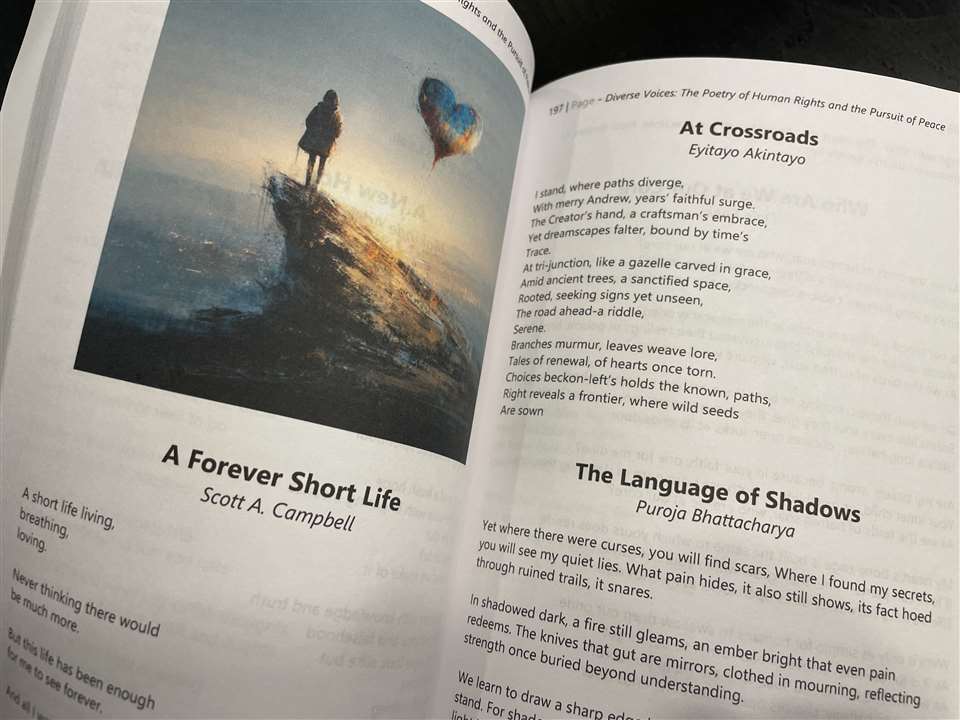
Diverse Voices: The Poetry of Human Rights and the Pursuit of Peace
While novels still dominate the publishing world, poetry is carving out a surprising niche.
- Poetry book sales have grown steadily year over year in the U.S. and globally.
- Independent bookstores report increased demand for contemporary poetry collections.
- Online retailers regularly feature poetry in trending categories.
Titles like Milk and Honey didn’t just succeed, they opened the door for an entire wave of new poets. Publishers took notice, and now poetry is no longer a “dead” category, it’s a high-risk, high-reward opportunity.
What Modern Poetry Looks Like Today
Today’s poetry landscape is incredibly diverse:
- Instagram poetry – short, visual, emotional
- Spoken word – performance-driven and powerful
- Narrative poetry – storytelling in verse
- Minimalist poetry – stripped down to essentials
And importantly, the barriers to entry are gone. Anyone can write. Anyone can share.
The Real Reason Poetry Never Died
Poetry didn’t disappear, it just lost its traditional gatekeepers.
It moved:
- From classrooms to smartphones
- From textbooks to timelines
- From critics to communities
And in doing so, it became more democratic than ever.
What This Means for Writers and Readers
If you’re a writer, this is a unique moment.
Poetry is:
- Easier to publish
- Easier to share
- Easier to monetize
If you’re a reader, poetry is now:
- More accessible
- More relatable
- More relevant
Final Thoughts: Poetry Is Changing, Not Dying
The idea that “nobody reads poetry anymore” makes for a great headline, but it doesn’t hold up. Poetry is no longer confined to dusty bookshelves or academic analysis. It’s alive in captions, comments, spoken performances, and viral posts. And perhaps most importantly, it’s reaching people who never thought they’d care about poetry at all. Poetry didn’t die. It adapted to the world we live in. And now, it’s finding its voice again, one short, powerful line at a time.