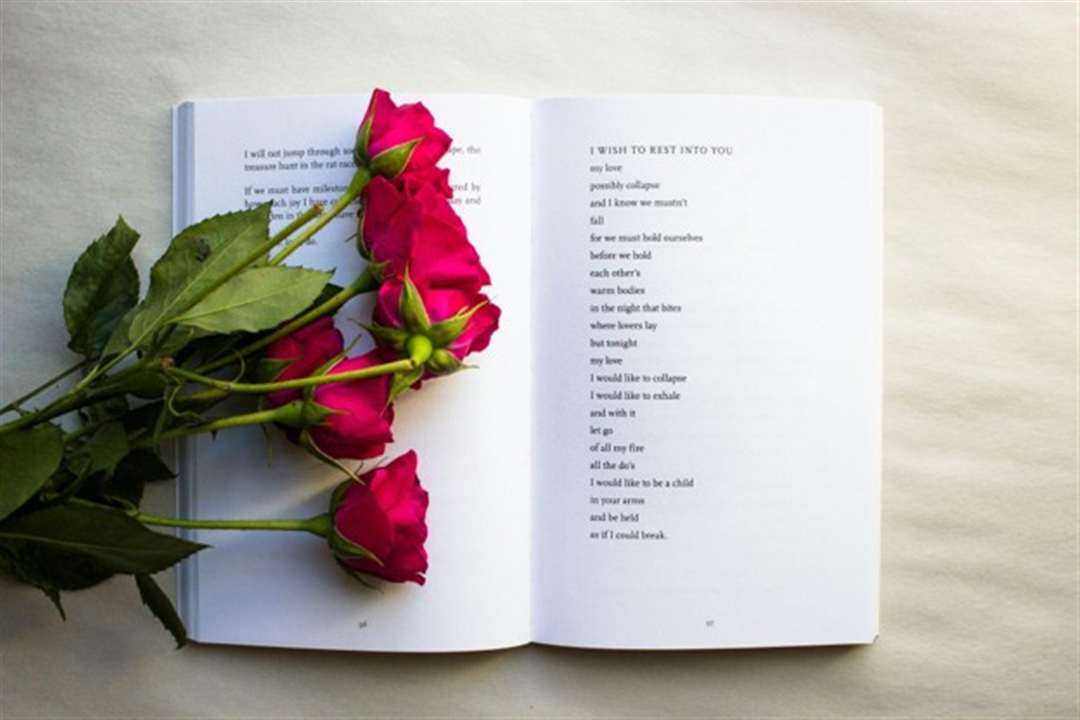
 Photo by Thought Catalog on Unsplash
Every writer experiences periods when ideas seem impossible to find. For poets, these stretches can feel particularly frustrating because poetry often depends on observation, emotion, rhythm, and the ability to notice connections that others overlook. When inspiration disappears, it can create the impression that creativity itself has vanished.
In reality, most experienced poets understand that creative droughts are a normal part of the process. Few people produce meaningful work continuously throughout the year. Instead of waiting passively for inspiration to return, many writers develop habits that help them stay engaged with their craft even when new ideas seem scarce. These routines do not guarantee immediate breakthroughs, but they often make it easier for creativity to reappear when the time is right.
They Stop Chasing Inspiration
One of the most common mistakes writers make during a creative slump is becoming obsessed with finding inspiration. The harder they try to force new ideas, the more frustrating the process often becomes.
Many poets eventually learn to shift their focus away from results and back toward routine. Instead of demanding a finished poem every day, they spend time reading, observing, journaling, or simply paying attention to the world around them. This reduces the pressure that can make creative blocks feel even worse.
Ironically, inspiration often returns more easily when it is not treated as something that must appear on command.
They Pay Attention to Physical and Mental Well-Being
Creative work is closely connected to overall well-being. Exhaustion, stress, poor sleep, and constant mental fatigue can make it difficult to engage deeply with any artistic practice.
For this reason, many writers use periods of low creativity as an opportunity to focus on recovery and self-care. Some spend more time outdoors, others prioritize exercise or relaxation, and many look for ways to create healthier daily routines. People exploring wellness-related options sometimes research products such as a cbd tincture for sale online while learning about different approaches to relaxation and stress management. Regardless of the specific method, the goal is often the same: creating conditions that support focus and mental clarity rather than constantly fighting fatigue and distraction.
Poetry may begin in the mind, but the state of the body frequently influences how creative a person feels.
They Continue Practicing Even Without New Ideas
 Photo by David Klein on Unsplash
Professional writers rarely stop writing completely when inspiration disappears. Instead, they often change what they write.
A poet may keep a notebook of observations, experiment with different forms, revise older drafts, or practice describing ordinary objects in unusual ways. These exercises maintain the habit of writing without requiring immediate inspiration.
Many creative disciplines operate this way. Artists, musicians, designers, and other professionals often rely on consistent practice rather than waiting for perfect conditions. The act of showing up regularly can be more important than producing exceptional work every day.
They Organize Their Creative Process
Creative people are often portrayed as disorganized, but many successful poets rely on surprisingly structured systems.
Notes, unfinished drafts, voice memos, books, quotations, and observations can quickly become difficult to manage without some form of organization. During periods when inspiration is limited, writers often spend time reviewing old material and organizing ideas they have collected over months or years.
The value of organization extends beyond writing. Professionals in many fields depend on efficient systems to support their work. Companies such as PLA Pro focus on providing tools and supplies used by beauty professionals whose work requires consistency, preparation, and attention to detail. While poetry and beauty services are very different disciplines, both benefit from reliable systems that make it easier to focus on the creative aspects of the work rather than constantly searching for materials or starting from scratch.
A well-organized creative process often makes it easier to recognize opportunities that might otherwise go unnoticed.
They Read More Than They Write
When new poems refuse to appear, many poets return to reading.
Exposure to different voices, styles, themes, and perspectives can help expand creative thinking without the pressure of producing original work immediately. Reading reminds writers why they fell in love with poetry in the first place while exposing them to techniques they may not have considered before.
Importantly, this reading is not always limited to poetry. Essays, novels, biographies, history books, and even newspapers can provide material that later becomes the foundation for creative work.
Inspiration often enters indirectly through exposure to new ideas rather than arriving as a sudden flash of insight.
They Accept That Creativity Moves in Cycles
Perhaps the most important lesson experienced poets learn is that creative energy is rarely constant.
Some weeks produce multiple strong ideas, while other periods feel completely empty. This does not necessarily indicate progress or failure. It is simply part of how creative work often unfolds over time.
Writers who understand this are less likely to panic when inspiration disappears. Instead, they continue reading, observing, practicing, organizing, and maintaining routines that support their craft. Eventually, a phrase, image, memory, or observation captures their attention and the process begins again.
The poets who continue creating over many years are often not the ones who feel inspired every day. They are the ones who keep showing up even when inspiration seems nowhere to be found.