Addiction is a theme that has permeated literature for centuries, offering a lens through which the complexities of human experience can be examined. In the realm of poetry, several notable works have emerged that not only articulate the struggles associated with addiction but also resonate deeply with audiences. This article delves into five poignant poems that highlight addiction, exploring how they connect with readers and why they have garnered fame over the years.
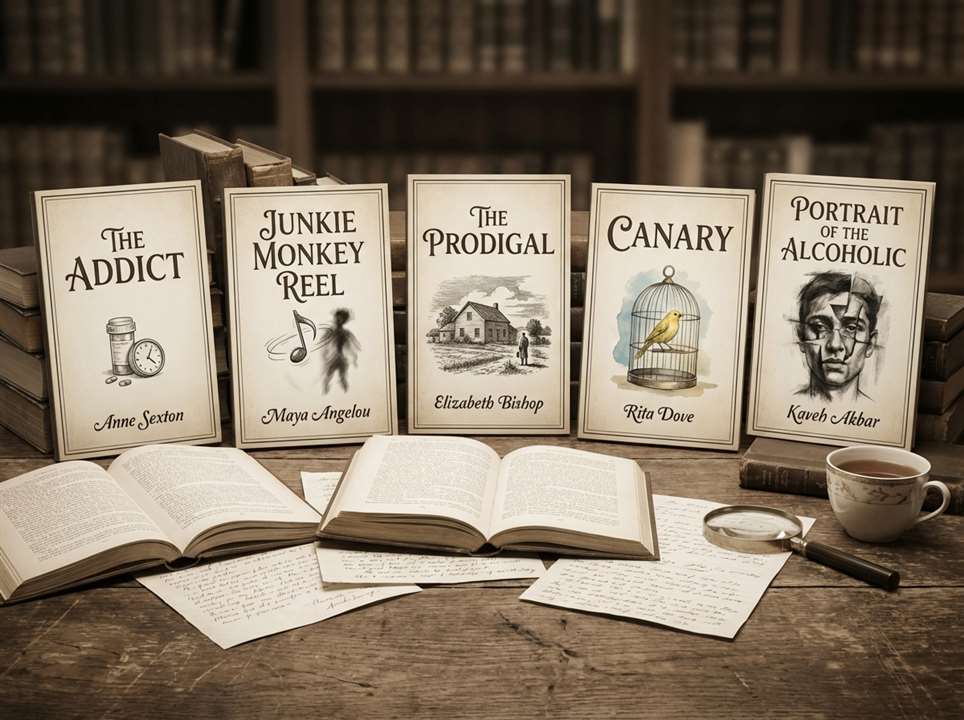
"The Addict" by Anne Sexton
Anne Sexton’s poem "The Addict," written in the 1960s, is a visceral exploration of drug addiction that exemplifies the confessional style for which she is known. Sexton’s candid portrayal of her own battles with mental health and substance abuse allows readers to engage with the rawness of her experience. The poem opens with stark imagery that encapsulates the desire for self-destruction:
“I want to be a drug addict / to be a drug addict / is to be a poet.”
Through these lines, Sexton conveys the seductive allure of addiction, depicting it as both a curse and a means of artistic expression. Her ability to articulate the degradation of the self resonates with many who have faced similar demons, making her work a powerful testament to the human condition.
"Junkie Monkey Reel" by Maya Angelou
Maya Angelou’s "Junkie Monkey Reel" further explores the physical and mental decay wrought by heroin addiction. Angelou, a celebrated figure in American literature, uses this poem to depict the loss of humanity that accompanies dependency. The poem’s vivid imagery illustrates the struggle against addiction, with lines that evoke a haunting sense of despair:
“I am the junkie monkey / swinging from the rafters of my mind.”
These words encapsulate the chaos and turmoil that addiction brings, resonating with audiences who have witnessed or experienced similar struggles. Angelou’s masterful use of language not only highlights the personal battle but also serves as a broader commentary on the societal implications of drug addiction.
"The Prodigal" by Elizabeth Bishop
Elizabeth Bishop’s "The Prodigal," written in 1955, examines alcoholism through the lens of a man living in squalor, caught between despair and the hope of recovery. The poem’s imagery is both stark and evocative, painting a picture of a life marred by addiction. Bishop writes:
“The brown enormous odour of the barn / and the rooster’s deep, throaty crow.”
These lines reflect the protagonist’s disconnection from reality, yet they also hint at the possibility of redemption. Bishop’s nuanced portrayal of addiction resonates with readers who understand the complexities of recovery. The poem serves as a reminder that even in the depths of despair, there exists a glimmer of hope.
"Canary" by Rita Dove
Rita Dove’s "Canary" pays homage to the jazz singer Billie Holiday, whose life was marked by extraordinary talent and profound addiction. The poem captures the intersection of artistry and addiction, illustrating how both can lead to physical decline. Dove writes:
“She sang like a bird, / but her voice was a cage.”
This metaphor highlights the paradox of Holiday’s existence, where her gift becomes both her salvation and her prison. Dove’s exploration of addiction through the lens of a celebrated artist resonates with audiences who recognise the tragic beauty of such narratives. The poem serves as a poignant reminder of the costs of addiction, particularly for those in the public eye.
"Portrait of the Alcoholic" by Kaveh Akbar
In the 21st century, Kaveh Akbar has emerged as a significant voice in addiction literature with his series "Portrait of the Alcoholic." This modern exploration of alcoholism delves into the complexities of personal identity and recovery. Akbar’s work is notable for its introspective nature and his ability to articulate the struggle for self-acceptance amidst addiction. He writes:
“I am both the thief and the stolen.”
These lines capture the duality of addiction—the way it can consume one’s identity while simultaneously providing a sense of belonging. Akbar’s poetry resonates with contemporary audiences, particularly those navigating their own journeys of recovery.

The Importance of Seeking Support
Amidst the struggles depicted in these poems, the theme of seeking help emerges as a crucial aspect of recovery. The poems are an expressive way of how these poets battled through their personal problems, highlighting the necessity of support systems for those grappling with addiction. Many poets, including Sexton and Akbar, have documented their journeys through therapy and rehabilitation and how they sought the necessary drug help, thus illustrating the importance of reaching out for assistance. The acknowledgement of vulnerability and the need for community resonate powerfully with readers, reinforcing the idea that recovery is not a solitary journey.
Conclusion
The exploration of addiction in poetry serves as a profound reflection of the human experience. Through the works of famous poets, readers are invited to engage with the complexities of addiction, recovery, and the search for identity. These poems not only highlight the struggles faced by individuals but also resonate with audiences on a universal level, reminding us of the shared human condition. As we continue to navigate the challenges of addiction, the voices of these poets remain vital, offering solace, understanding, and hope.