Few poems in literary history have achieved the mythic status of “The Raven.” First published in 1845, Edgar Allan Poe’s haunting narrative verse became an instant sensation, propelling Poe to national fame and imprinting the refrain “Nevermore” into the cultural memory of the world. Its hypnotic rhythm, gothic imagery, and psychological depth have made it a timeless work—one that remains, arguably, the most well-known poem on the planet.
Below is a comprehensive exploration of why “The Raven” holds this singular place in global literature.
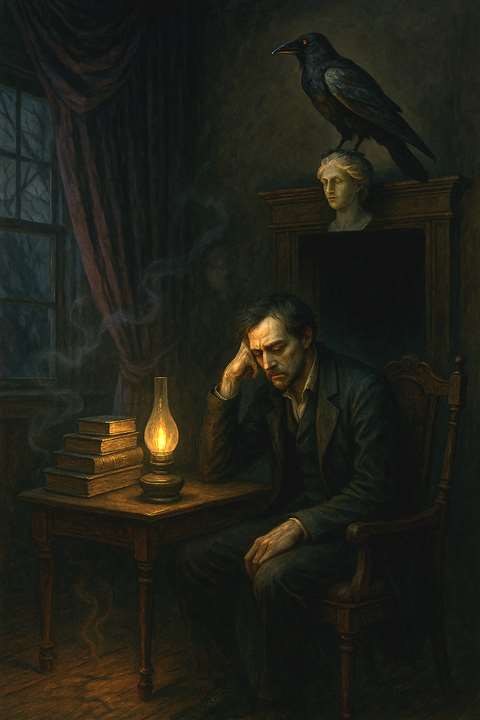
A Poem That Echoes Through Culture
“The Raven” is more than a poem—it is a cultural phenomenon. Its unique blend of lyrical beauty and emotional torment continues to resonate because it captures something universal: grief, obsession, and the human need to seek meaning in suffering. Poe’s mastery of meter (trochaic octameter), internal rhyme, and musicality created a poem that is nearly impossible to forget once heard aloud.
Quoted in Speeches, Books, Movies, Ads, and Classrooms
Part of the poem’s sustained fame comes from its endless reuse and reinvention. Few poems have been quoted, parodied, adapted, and transformed as much as “The Raven.”
Speeches and Public Addresses
Political leaders, motivational speakers, and academics frequently reference “Nevermore” to evoke finality, doom, or dramatic emphasis. Its cadence grants rhetorical power, and its universal recognition ensures audience impact.
Books and Literature
Authors reference “The Raven” as shorthand for haunting, memory, or madness. It appears in novels ranging from Stephen King’s works to children’s literature and graphic novels.
Movies and Television
Films such as The Simpsons, The Crow, The Matrix, and countless others quote or reinterpret lines from Poe’s poem. Its imagery—tapping at a chamber door, the shadow of the raven—has become cinematic language in its own right.
 The Raven (Character) on the Simpsons TVShow
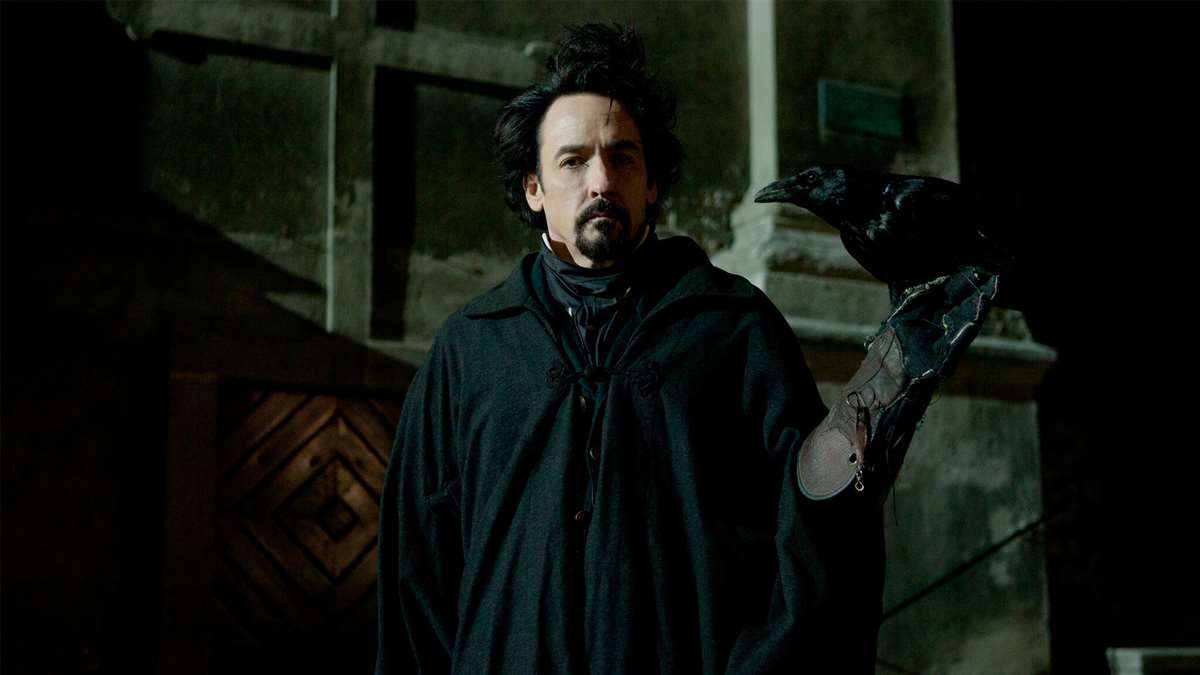 The Raven (2012 Film)
Advertising and Marketing
Brands often use the raven icon or the word “Nevermore” to craft a mysterious or sophisticated aura. Even Halloween campaigns frequently draw from the poem’s gothic mood.
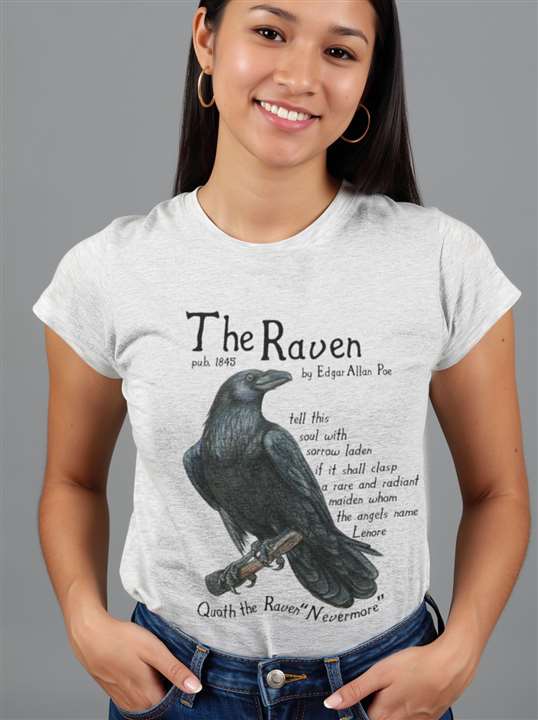
Classrooms Worldwide
Students from middle school to university analyze the poem’s symbolism, structure, and psychological themes. Many encounter Poe first through this poem, establishing it as a foundational piece of literary education.
Its visibility across nearly every medium makes “The Raven” one of the most culturally persistent poems ever written.
Translated Widely and Taught Globally
From Spanish to Japanese, from Russian to Arabic, “The Raven” has been translated into dozens of languages, each version striving to preserve Poe’s intricate rhyme scheme and musicality.
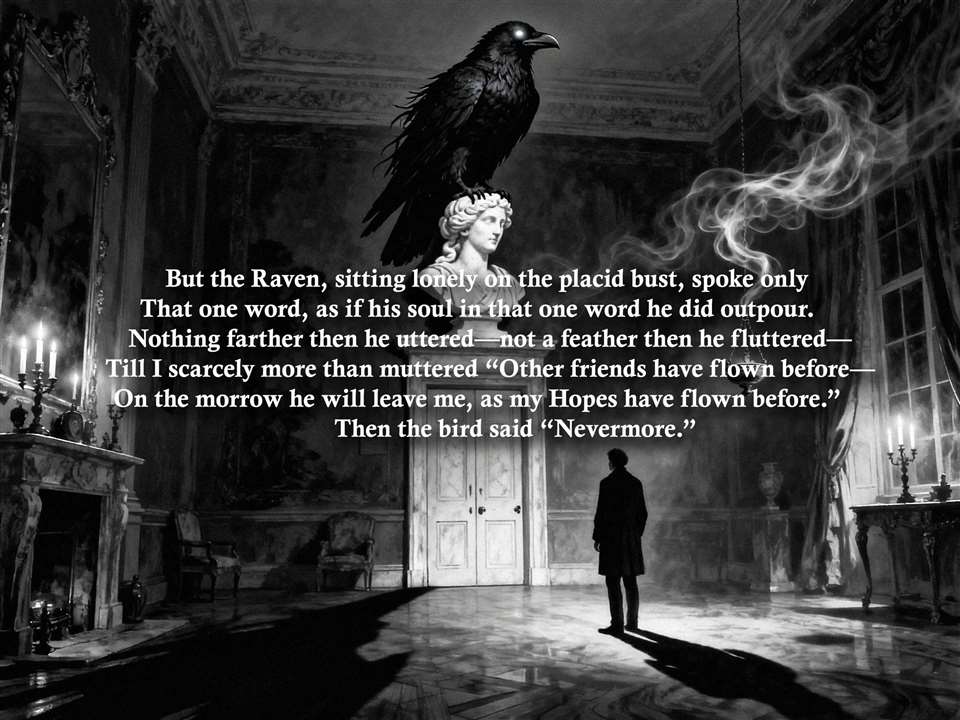
A Global Literary Touchstone
- In France, Poe’s work—translated by Charles Baudelaire—helped shape the Symbolist movement.
- In Japan, the poem influenced early modern literature and remains a staple in university courses.
- Across Latin America, its gothic style aligns with local literary traditions, enriching its reception.
- In Europe and the Middle East, its psychological intensity connects with readers who appreciate philosophical and existential themes.
Teaching “The Raven” internationally highlights:
- meter and prosody
- narrative poetry techniques
- gothic and romantic literary traditions
- the psychology of grief
- the role of symbolism in storytelling
Its global academic presence ensures that generation after generation encounters Poe’s masterpiece.
Misinterpreted but Universally Remembered
One of the most fascinating aspects of “The Raven” is how frequently it is misread—even by admirers, even though many have written about the hidden meanings in “The Raven.”
Common Misinterpretations
- The raven is not supernatural—it is real, but used symbolically.
- Lenore is not a ghost—she is a memory.
- The poem is not simply gothic horror—it is an exploration of a mind unraveling.
- The narrator seeks answers he knows the raven cannot give, revealing obsessive self-torment.
Yet these misreadings do not diminish the poem’s power; instead, they contribute to its mystique, making readers return to it again and again in search of truth.
Why It's Universally Remembered
- Its refrain “Nevermore” is unforgettable.
- Its musicality allows it to be memorized easily.
- Its imagery—midnight dreary, tapping door, bust of Pallas—transcends culture.
- Its emotional core is universal: grief without answers.
Even when readers don’t grasp every nuance, they feel the poem’s hypnotic pull. That emotional resonance is what makes “The Raven” an enduring global classic.
Why “The Raven” Is the Most Well-Known Poem in the World
While many poems have become famous, few have achieved this combination of attributes:
- Instant historical success (it made Poe a celebrity overnight)
- Strong emotional impact
- Musical language that lodges in memory
- Global translation and classroom study
- Infinite presence in pop culture
- A single word—Nevermore—recognized nearly everywhere.
These factors position “The Raven” at the pinnacle of poetic fame.
A Poem That Lives Beyond Its Author
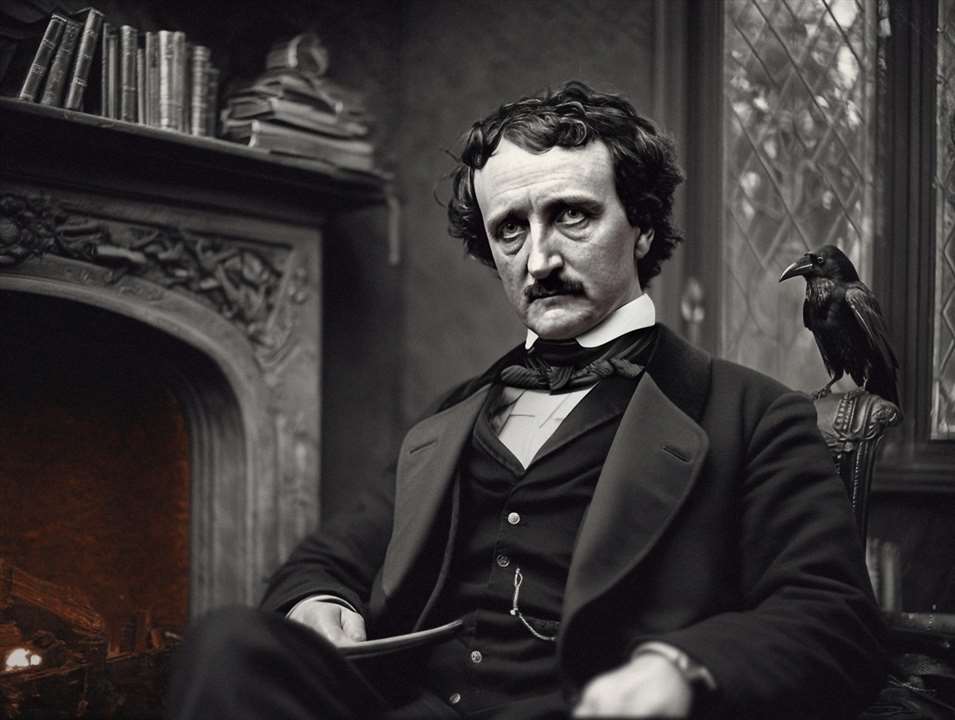
Edgar Allan Poe lived a turbulent and often tragic life, yet he created a poem that continues to transcend cultures, generations, and artistic mediums. “The Raven” remains not just a literary masterpiece but a global symbol of mystery, melancholy, and the enduring power of storytelling.
Its message echoes eternally—much like the raven’s shadow itself—reminding us why this poem is, and likely always will be, the most well-known poem in the world.