 Photo by Janay Peters on Unsplash
Finishing a poetry manuscript can feel like the hardest part of self-publishing. Then you start preparing the actual book and discover how many decisions still stand between a folder of poems and something you would be proud to hand to a reader.
Formatting, page size, paper, cover design, proofreading, printing quantities, and even the order of the poems can all affect how professional the finished book feels. The good news is that most expensive mistakes can be caught before you place a large print order.
Don’t Print Anything Until the Manuscript Is Truly Finished
Poetry can be especially deceptive during editing because a small change in punctuation, spacing, or line breaks can alter the rhythm of an entire piece. Read the collection several times in different formats before calling it finished.
Printing a few test pages at home can make errors easier to spot than reading everything on a screen. If you already have office supplies sitting unused, this is also a good time to sort through them rather than automatically buying more. Unopened printer cartridges for equipment you no longer use can be dealt with through SellToner.com, helping clear space before you begin setting up proofs and publishing materials.
Give the manuscript to at least one other careful reader as well. You already know what every poem is supposed to say, which makes it surprisingly easy to read past missing words and small mistakes.
Pay Attention to How Poems Sit on the Page
Poetry needs more breathing room than many other types of writing. A layout that works for an essay or novel can make a poem feel crowded.
Decide on trim size before finalizing formatting because changing the page dimensions later can shift line breaks throughout the book. Long lines are particularly important. If the printed page forces them to wrap unexpectedly, the poem may no longer look or read the way you intended.
Keep fonts readable and resist the urge to make every page visually elaborate. Unless unusual typography is central to the poetry itself, a clean layout usually gives the words more authority.
Page breaks matter too. Decide deliberately whether each poem should begin on a new page and whether certain paired poems should appear opposite one another.
Don’t Assume the Collection’s Order Doesn’t Matter
A poetry book is more than a stack of individual poems.
Think about how one piece leads into the next. Two strong poems placed together may weaken each other if they have nearly identical themes or emotional tones. A quieter poem can become more effective when it follows something intense.
Many collections benefit from some kind of progression even when they do not tell a literal story. You might move through time, relationships, places, seasons, or emotional stages.
Read the manuscript from beginning to end without stopping to edit individual poems. Pay attention to where your attention drops or where several pieces start feeling repetitive.
The opening poems carry particular weight because they establish what kind of collection the reader has entered. Do not automatically begin with the first poem you wrote or the one with the earliest date.
Order a Proof Before Committing to Copies
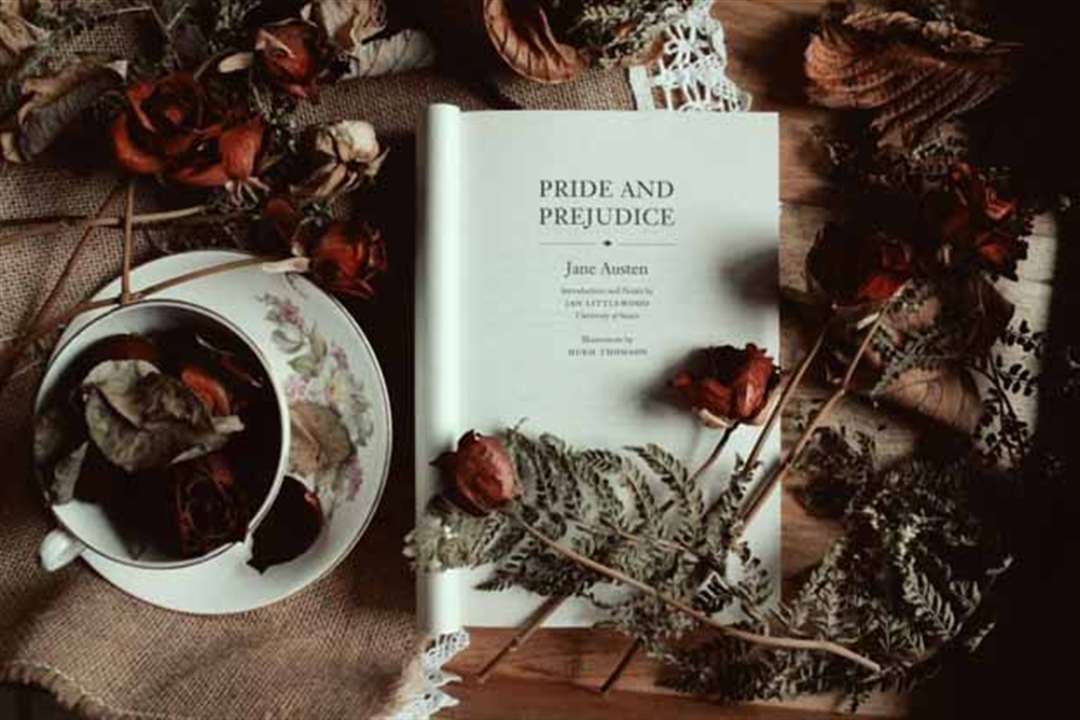 Photo by Elaine Howlin on Unsplash
A digital preview is useful, but it cannot tell you everything.
The physical proof shows whether margins feel right, text sits too close to the binding, page numbers are distracting, the cover looks darker than expected, or the book feels awkward in your hands.
Read the entire proof rather than simply admiring the cover and checking a few pages. Mark anything that bothers you, even if it seems minor.
Look closely at blank pages, title pages, copyright information, acknowledgments, and the table of contents if you use one. These are exactly the areas authors sometimes rush because their attention is understandably focused on the poems.
It is far cheaper to discover a formatting problem in one copy than in a box of fifty.
Be Conservative With Your First Print Quantity
Holding your own book for the first time is exciting, and that excitement can make a large print run seem like the obvious next step.
Unless you already have confirmed demand, start smaller.
Books take up space, and unsold inventory ties up money that could otherwise go toward future printing, readings, promotion, shipping supplies, or another project. Print-on-demand services can also remove much of the pressure to predict sales in advance.
If you do want physical stock for local events or direct sales, estimate what you realistically expect to sell rather than what you hope will happen.
You can always order more. A second print run is a much better problem than staring at several hundred copies you have nowhere to store.
Don’t Let the Cover Promise a Different Book
Readers often encounter the cover before they read a single line, so it needs to communicate the right mood.
That does not mean every poetry collection needs abstract artwork, flowers, or a dramatic black-and-white photograph. In fact, trying too hard to make a book look “poetic” can result in a cover that feels generic.
Think about the tone of the collection. Is it intimate, funny, bleak, romantic, political, quiet, or experimental? The cover should support that identity without explaining every theme.
Make sure the title remains readable at thumbnail size as well as on the physical book. Online stores often display covers very small, and complicated typography can disappear.
If design is not one of your strengths, this may be an area where professional help is worth the cost.
Plan How People Will Actually Discover the Book
Printing the book is not the same as launching it.
Before copies arrive, think about where your first readers are likely to come from. Friends and family may buy some, but longer-term interest usually requires reaching people who already enjoy poetry.
Local readings, independent bookstores, open-mic communities, literary groups, social media, newsletters, and direct events can all play a role. You do not need to use every possible channel.
Choose a few approaches that match your personality and the type of collection you wrote.
Prepare a short description of the book as well. Authors often find it much harder to describe their own collection in two paragraphs than to write the poems themselves, so do not leave this until the day you upload the listing.
Include enough to create interest without explaining what every poem means.
Treat the First Edition as Something Worth Getting Right
Self-publishing gives you control, but that control also means nobody else automatically catches the small problems.
Take your time with editing, sequence, formatting, proof copies, and printing decisions. Ask other people to look at the manuscript and physical proof before you approve the final version.
You do not need a huge budget or a large publishing team to produce a poetry book that feels thoughtful and professional.
You simply need to avoid rushing the final stage because you are excited to see the book finished.
The poems may have taken months or years to write. Giving the physical book a little more time before printing is usually worth it.