Pleading the First
They hurl their words with righteous might,
yet claim offense when truth is heard.
The shield of speech protects the fight—
a sharpened joke, not slandered word.
Satire is far more layered than mere humour or mockery. It is a literary and rhetorical device that deploys wit, irony, exaggeration, or ridicule to expose and criticise human vices, societal flaws, and political corruption. Unlike ornamental verse, satire is time-sensitive: it thrives on current affairs, and its shelf life is short—otherwise it becomes a scholarly pursuit to ‘decipher’ the intended target and message. But its purpose is enduring—it’s not just about making people laugh, it’s about making them think.
STUPID IS A STUPID DOES - AN ODE TO DYSLECIA | Poem (poetrysoup.com)
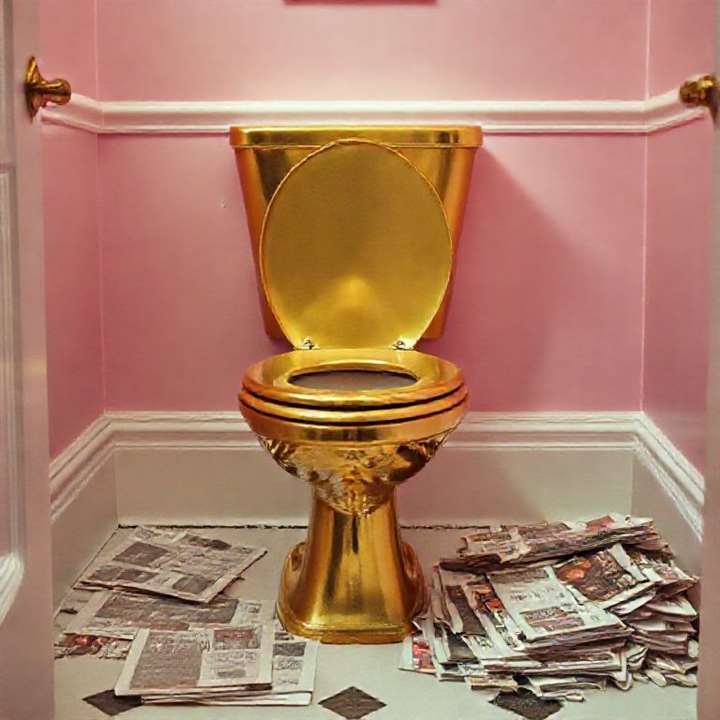
Context
‘The Rape of the Lock’ by Alexander Pope, ‘Don Juan’ by Lord Byron, ‘Hudibras’ by Samuel Butler, ‘The Dunciad’ by Alexander Pope, ‘The Love Song of J. Alfred Prufrock’ by T.S. Eliot, are but a number of well-known satirical verses.
Satire is highly dependent on context. Historical satire often requires footnotes or explanation because the immediacy of the critique has evaporated. For example, Jonathan Swift’s A Modest Proposal was shocking in its time because readers recognised the absurdity of ‘eating children’ as a critique of British policy toward Ireland. Without that context, it could be misread as monstrous rather than satirical.
Satire may be expressed in many formats, even sonnets, for example, the Onegin stanza form—a satirical verse popularised by the Russian poet, novelist, dramatist, and short-story writer Aleksandr Pushkin (1799–1837).
Satire – The Great Reveal
Satire is a much sharper tool than crude shock humour. At its core, satire is about exposing folly, hypocrisy, or corruption through wit, irony, exaggeration, or parody. It aims to make people think, not just laugh. Toilet humour or shock tactics often go for the lowest common denominator—a visceral reaction—whereas satire seeks a more intellectual engagement.
The best satire doesn’t need profanity or shock tactics—it relies on wit, timing, and the clever placement of clues so the audience feels that little spark of recognition when they get it. That moment of being chaffed (pleased) is the payoff: the reader feels smart, complicit, and entertained all at once.
Keys to effective satire without obscurity
- Clarity of target: Make sure the subject of ridicule is unmistakable, even if the punchline is layered.
- Built-in answer: Seed the solution inside the text so the reader discovers it naturally.
- Economy of words: Brevity sharpens the sting—too much explanation dulls the blade.
- Tone balance: Wry humour keeps it light, even when the critique is heavy.
- Rewarding the reader: The joke should feel like a puzzle solved; not a lecture delivered.
It’s a delicate craft: too obscure, and the joke dies—too obvious, and it feels flat. The sweet spot is where the audience feels clever for catching the twist. For example, in the following skit the target audience are the poets and literary agents relying too heavily on AI to detect possible use of AI in scripts:
Reliance on AI Checkers | Poem (poetrysoup.com)
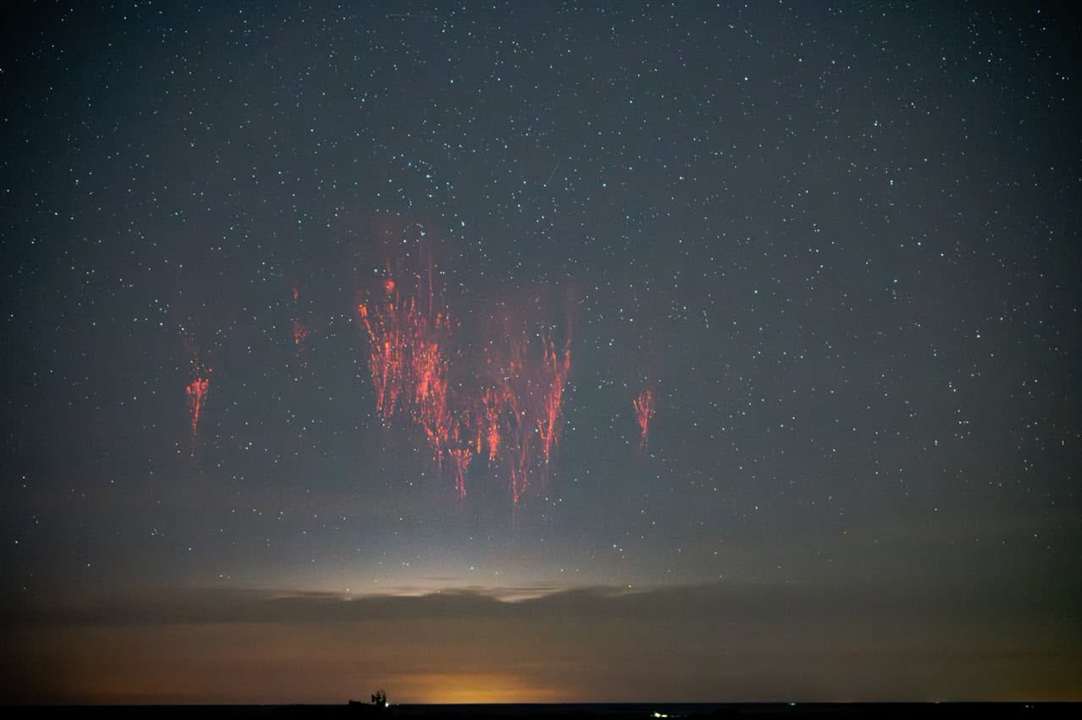
Red Sprites over Kuruman Hills, Northern Cape, SA. Albertus Horn
Shared with permission.
The Art of Satirical Verse
Satire does not depend on being 100% factual. Instead, it deliberately distorts, exaggerates, or twists reality to expose the absurdity, hypocrisy, or flaws in a situation.
UFOs - They’ve Got the Receipts
the close heat in the flat
had driven me outdoors
the aircon never working when I needed it most
strolling along the Sea Point Promenade
keeping my eyes peeled for muggers
and other nefarious characters
belatedly realising that I should have worn a longer skirt
after being propositioned by same shady character
cruising the curb
who suddenly took off
like a bat out of hell
it made me exclaim: ‘I’m not THAT bad.’
women started to cry
men went for their side arms
teenagers took their eyes off their cellphone screens
as the night lit up with camera flashes
hovering over the Atlantic Ocean
a red apparition
with its guts spilling out
like a hijacked car recently stripped
in one of the townships
the red sprite lighting briefly
gave some the impetus to exclaim:
‘UFOs are real!’
a headline influencers cashed in on
reaching millions of viewers by morning
claiming that they’ve got the receipts
citing a *reliable source*:
‘I was told to meet their vanguard here.’
as people doomsday-scroll, skimming past the science pages
© Suzette Richards (2026)
POET’S NOTES
- Red sprites sightings in or around Cape Town are extremely unlikely. The location of Sea Point (a suburb of Cape Town, SA), is a nod to this Red Light district.
- Northern Cape sightings: Documented by storm chasers and astrophotographers such as Kyle Goetsch and Albert Horn, who have successfully photographed sprites above summer thunderstorms in the region.
- Conspiracy theories about UFO’s are rife and the poem lampoons this phenomenon.
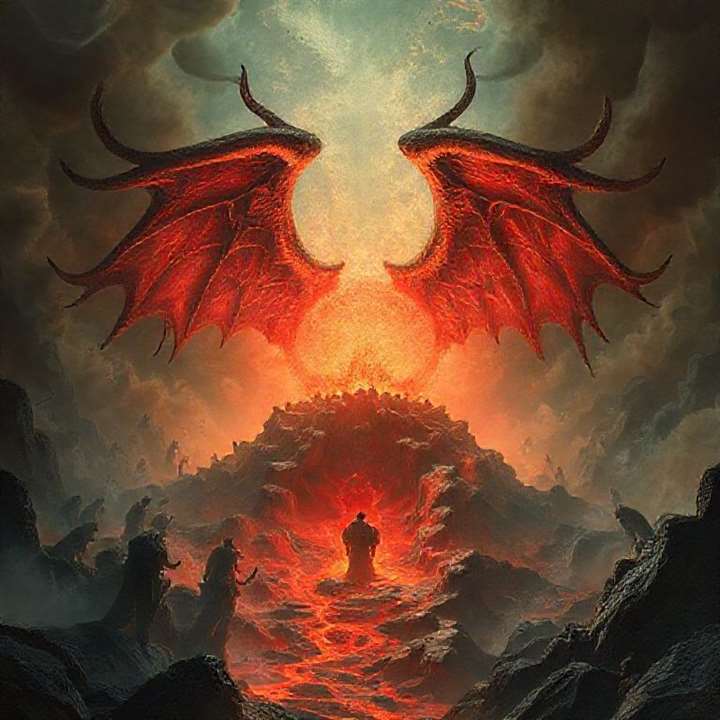
Common ‘Holy Cows’ in Satire
- Religion: Sacred institutions, rituals, and figures are often shielded from critique, making satire risky but potent.
- Monarchy & State Power: Kings, queens, presidents, and political leaders—mocking them can be seen as disrespectful or dangerous.
- Military & War: Armies and national defence are often treated as beyond ridicule, though satirists like Kubrick (Dr. Strangelove) broke that taboo.
- National Identity & Patriotism: Flags, anthems, and patriotic myths are ‘sacred cows’ that satire can puncture, but audiences may bristle.
- Capitalism & Wealth: Big business, billionaires, and consumer culture—satire here often exposes greed but risks backlash from defenders of the system.
- Race & Ethnicity: Historically fraught—satire can critique prejudice, but careless handling risks reinforcing stereotypes.
- Gender & Sexuality: Another sensitive area. Satire can challenge norms but easily crosses into offense if not handled with nuance.
Satire thrives precisely because it pokes at these taboos. But the sharper the target, the more careful the craft—otherwise the audience feels attacked rather than enlightened.
Liable or Defamatory
By its very nature, satire isn’t liable or defamatory because it doesn’t claim to be factual reporting—it’s commentary, parody, and exaggeration. Courts and critics alike have long recognised that satire operates in the realm of opinion and artistic expression.
Why satire avoids defamation traps
- Exaggeration is obvious: No reasonable reader mistakes satire for literal truth.
- Parody is protected speech: Mimicry and ridicule fall under free expression.
- Targets behaviour, not identity: Satire critiques actions, policies, or absurdities rather than making factual claims about character.
- Audience expectation: Readers approach satire knowing it’s meant to provoke thought, not deliver news.
Conclusion
The key is that satire has a target—it’s not just funny, but it’s making a point about something larger.
The power of satire lies in its ability to make people laugh while simultaneously provoking critical thought.
For example:
- Exaggeration: Amplifying a politician’s minor quirk until it becomes ridiculous.
- Parody: Mimicking the style of a news report or speech to highlight contradictions.
- Irony: Saying the opposite of what’s meant to underline the absurdity.
- Juxtaposition: Placing two contrasting ideas side by side to reveal hidden truths.
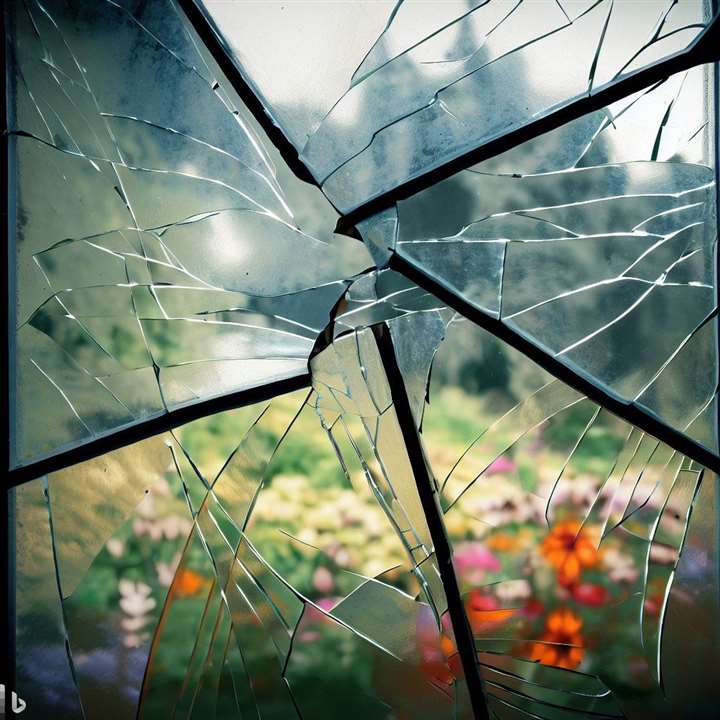
Satire is the art of throwing stones—carefully polished, never profane—at the glasshouses of society. It does not exist to shatter, but to remind us that transparency reveals cracks, and laughter makes them harder to ignore.
A Chuckle in Time
The eye-roll staged for public sight,
betrays the poet’s daring art.
They voice the truth we hide from light—
and grant us laughter’s secret part.
All images were AI-generated, unless otherwise stated.
[Edited: 7/7/2026]