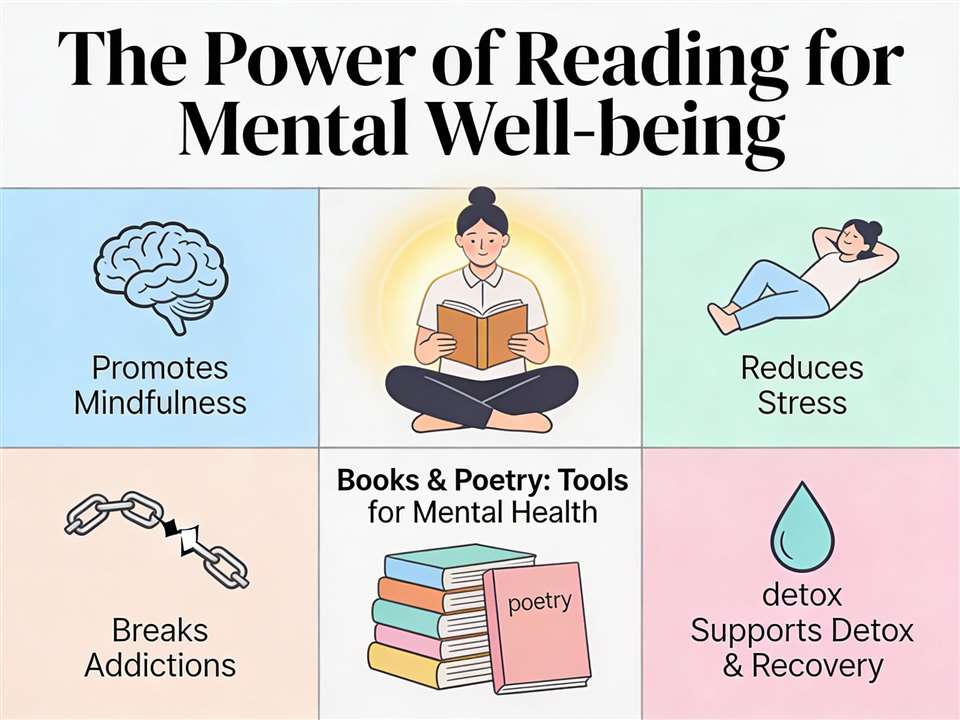
In today’s fast-paced world, where distractions abound and stress levels are often high, the importance of mindfulness has never been more pronounced. One effective way to cultivate mindfulness is through reading. Whether it be novels, non-fiction, or poetry, immersing oneself in literature can significantly enhance mental well-being, assist in overcoming bad addictions, and even aid in processes such as detoxification.

The Mindfulness Connection
Mindfulness, at its core, is the practice of being present in the moment, fully engaged with one’s thoughts and surroundings without judgment. Reading encourages this state of awareness by inviting readers to focus on the narrative, characters, and emotions conveyed through the text. When one reads, especially fiction, they enter a world crafted by the author, allowing them to temporarily step away from their own thoughts and concerns. This process of immersion can lead to a reduction in anxiety and stress, as the mind is occupied with the unfolding story rather than personal worries.
Research supports the mental health benefits of reading. A study published in the journal Social Science & Medicine found that individuals who engage in reading regularly experience lower levels of stress and higher overall well-being. Specifically, the study indicated that reading for just six minutes can reduce stress levels by up to 68%. This statistic underscores the profound impact that reading can have on one’s mental state, making it a valuable tool for those seeking to cultivate mindfulness.
Breaking Bad Addictions
Addictions, whether to substances or behaviours, often stem from a desire to escape reality or cope with underlying issues. Reading provides an alternative escape, one that is constructive rather than destructive. By engaging with literature, individuals can channel their energy into a positive activity that fosters creativity and self-reflection.
For those struggling with addictions, reading can serve as a distraction from cravings. Instead of reaching for substances, individuals can reach for a book, immersing themselves in a different world. This shift not only occupies their mind but also helps to build new neural pathways that promote healthier habits. Moreover, reading about others’ experiences with addiction and recovery can provide valuable insights and encouragement, reminding individuals that they are not alone in their struggles.
Detoxification and the Role of Reading
Detoxification is a challenging process that requires not only physical resilience but also mental fortitude. Detoxification is personal and can involve eliminating unhealthy foods such as processed sugars, excessive caffeine, and trans fats from your diet. Additionally, individuals may choose to detox from habits like substance abuse, excessive screen time or social media use, which can negatively impact mental well-being. This process aims to reset the body and mind, promoting a healthier lifestyle and improved overall wellness. During detox, individuals may experience withdrawal symptoms that can be both physically uncomfortable and emotionally taxing. Reading can play a crucial role in this phase of recovery.
By engaging with literature, individuals can find solace and distraction from their discomfort. Books can offer stories of hope and recovery, providing motivation and inspiration to those in the midst of their detox journey. Furthermore, reading can help to reframe negative thoughts and promote a more positive mindset, which is essential for successful recovery. Additionally, the act of reading can foster a sense of routine and stability, both of which are vital during the period of alcohol detoxification, for example. Establishing a daily reading habit can create a sense of normalcy, helping individuals to focus on their recovery rather than their cravings.
The Power of Poetry
In addition to traditional prose, poetry offers a unique avenue for mindfulness and self-expression. The rhythmic nature of poetry can be particularly soothing, allowing readers to engage with language in a deeply emotional way. Writing or reading poetry encourages individuals to explore their feelings, articulate their experiences, and connect with their innermost thoughts.
Poetry can also serve as a therapeutic tool for those recovering from addiction. The process of writing poetry can be cathartic, enabling individuals to express their struggles and triumphs in a creative format. This form of self-expression can foster self-awareness and promote healing, as individuals confront their emotions and experiences through words.
Moreover, poetry often encapsulates profound insights into the human condition, providing readers with wisdom and perspectives that can aid in their recovery journey. Engaging with poetic works can inspire reflection and encourage individuals to find beauty and meaning in their experiences, even amidst adversity.
Final Chapter
In conclusion, reading is a powerful tool that promotes mindfulness, aids in breaking bad addictions, and supports processes such as awareness. By immersing oneself in literature, individuals can cultivate a sense of presence and awareness, distract themselves from cravings, and find inspiration in the stories of others. Additionally, the therapeutic nature of poetry offers a unique way to express and process emotions, further enhancing the benefits of reading.
As we navigate the challenges of modern life, embracing the transformative power of reading can lead to greater mental well-being and a path towards recovery. Whether through novels, non-fiction, or poetry, the written word has the potential to heal, inspire, and foster mindfulness in ways that can profoundly change lives. So, the next time you find yourself overwhelmed, consider picking up a book—your mind will thank you.