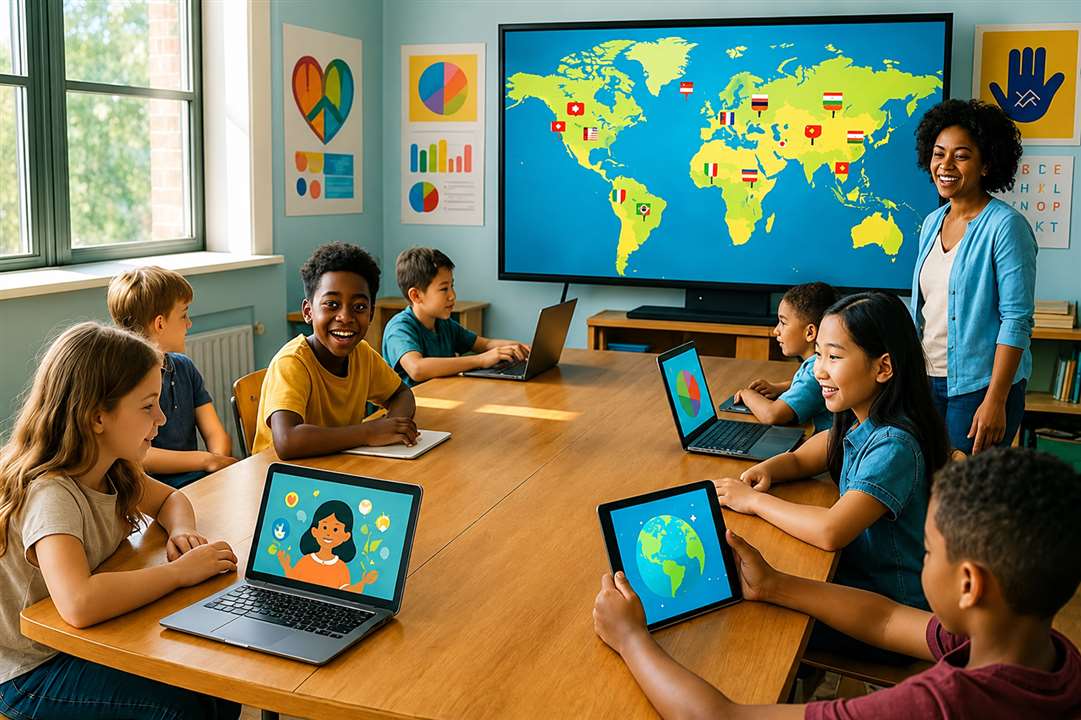
To write inclusive and accessible content for global digital classrooms, start by using clear, simple language and avoiding jargon. Break down complex information into manageable chunks, and include diverse examples that reflect different cultures. Utilize multimedia resources, like videos and podcasts, with proper captions and alt text. Encourage feedback from students to improve your materials continuously. This approach not only fosters engagement but also guarantees that all learners feel represented and understood. Explore more strategies to enhance your content!
How to Foster Inclusivity and Accessibility in Digital Classrooms
As you create digital classrooms, it’s crucial to guarantee that every student feels included and can access the content effectively.
To foster inclusivity, implement collaborative learning strategies that engage all students, allowing them to share ideas and support one another. Use adaptive technologies, such as screen readers and text-to-speech tools, to accommodate diverse learning needs.
Confirm your online middle school materials are easily navigable and provide multiple formats, like videos and interactive modules, to appeal to various learning styles. Regularly seek feedback from students to refine your approach, making adjustments that enhance accessibility.
Why Universal Design for Learning Is Essential
Creating inclusive digital classrooms sets the stage for implementing Universal Design for Learning (UDL), a framework that benefits all students by addressing their diverse needs from the start.
By embracing universal design in your teaching approach, you create learning environments that accommodate varied learning styles, preferences, and abilities. This means you're not just catering to the majority; you’re ensuring everyone has equitable access to education.
UDL encourages flexibility in how information is presented, allowing you to engage students meaningfully. When you prioritize UDL, you foster a sense of belonging and motivation among learners, empowering them to thrive.
Ultimately, this inclusive strategy enhances the educational experience for all, making it essential in today’s digital classrooms.
Essential Principles for Creating Accessible Digital Content
When you prioritize accessibility in your digital content, you open doors for all learners to engage fully with the material.
Embracing inclusive design means considering diverse needs right from the start. Use clear language, meaningful alt text for images, and guarantee your layout is easy to navigate.
Keep in mind cognitive accessibility; break down complex information into manageable chunks and use headings to guide learners. Incorporate visual aids and multimedia, but make certain they’re properly captioned or described.
Avoid jargon and overly complex terms, as they can alienate some users. By implementing these principles, you create an inviting environment where every learner feels valued and empowered to succeed.
How to Tailor Content for Inclusivity and Diverse Learning Styles
To create inclusive content, you need to recognize the diverse learning needs of your audience.
This means using varied teaching methods that cater to different styles, whether visual, auditory, or kinesthetic.
Recognizing Diverse Learning Needs
How can you guarantee your content resonates with a variety of learners? By recognizing diverse learning needs, you can create an inclusive environment that embraces all students.
Utilize student-centered approaches and adaptive technologies to tailor your content effectively. Consider these strategies:
- Offer multimedia resources (videos, podcasts, infographics) to cater to different preferences.
- Break down complex information into digestible chunks for better understanding.
- Include interactive elements (quizzes, discussions) to engage various learning styles.
- Provide clear instructions and examples to support comprehension.
- Encourage peer collaboration to foster a supportive learning community.
Utilizing Varied Teaching Methods
While embracing varied teaching methods can seem challenging, it’s essential for creating inclusive content that resonates with diverse learning styles. Start by incorporating interactive activities that engage students and cater to different preferences.
For example, use multimedia resources, such as videos or podcasts, alongside traditional texts to appeal to visual and auditory learners.
Encourage collaborative learning through group projects and discussions, allowing students to share their insights and learn from one another. This not only promotes inclusivity but also strengthens community bonds in your classroom.
How to Use Clear and Simple Language
Using clear and simple language is key to making your content accessible.
Avoid jargon and slang that can confuse readers, and stick to short sentences that get straight to the point.
This way, you’ll engage a wider audience and guarantee your message is understood.
Avoid Jargon And Slang
Communication becomes much more effective when you avoid jargon and slang, as this helps guarantee your message resonates with a broader audience.
By focusing on clarity, you’ll engage more people and foster inclusivity. Here are some tips for jargon avoidance and slang alternatives:
- Use straightforward vocabulary; opt for "help" instead of "facilitate."
- Choose common phrases; say "get started" rather than "initiate."
- Prefer simple terms; replace "utilize" with "use."
- Break down complex ideas; explain rather than assume understanding.
- Keep cultural differences in mind; avoid references that may not translate well.
Use Short Sentences
Short sentences can greatly enhance your writing by making it easier for everyone to understand. When you use clear and simple language, it creates a positive impact on your readers.
Focus on effective sentence structure to convey your message. Break complex ideas into smaller parts. This not only aids comprehension but also keeps your audience engaged.
Punctuation clarity is essential too; proper punctuation helps guide readers through your text. Avoid lengthy sentences that may confuse or overwhelm. Instead, aim for brevity.
Short sentences allow your ideas to shine, ensuring everyone can follow along. Remember, your goal is to serve others through your writing. So, make it accessible and inclusive by embracing the power of short sentences.
Examples of Clear Language in Educational Content
Effective educational content often relies on clear language to convey complex ideas. Using clear terminology and concise explanations helps your audience grasp the material quickly.
Here are some examples of clear language in educational content:
- Define key concepts in simple terms.
- Use active voice to enhance engagement.
- Break down processes into step-by-step instructions.
- Avoid jargon unless it’s defined immediately.
- Include examples that relate to everyday experiences.
Tips for Making Visual Content Accessible
When creating visual content, it’s essential to keep accessibility in mind so that everyone can engage with your material. Start by adding alternative text (alt text) to images. This short description allows screen readers to convey the image’s meaning to visually impaired users. Be specific and concise; describe the content and function of the image.
Don’t forget about visual descriptions for videos or presentations. Include transcripts or captions to guarantee that all viewers can follow along.
Use high contrast colors and clear fonts to enhance readability for those with visual impairments. Finally, consider feedback from diverse users to improve your visual content. By making these adjustments, you’ll create a more inclusive learning environment for everyone.
Cultural Sensitivity in Digital Content
Understanding cultural sensitivity in digital content is essential, especially as our audiences become increasingly diverse. Recognizing various cultural contexts allows you to create content that resonates with learners from different backgrounds.
Here are some tips to enhance cultural sensitivity in your digital materials:
- Research and understand the cultural backgrounds of your audience.
- Use inclusive language that avoids stereotypes and generalizations.
- Incorporate examples and references that reflect global perspectives.
- Be mindful of imagery and symbolism that may have different meanings across cultures.
- Encourage feedback from diverse groups to continuously improve your content.
Tools and Resources for Creating Inclusive Digital Materials
To create inclusive digital materials, leveraging the right tools and resources can make all the difference.
Start by exploring assistive technologies like screen readers, text-to-speech software, and captioning tools. These can help guarantee your content is accessible to everyone, regardless of their abilities.
Use content evaluation tools to assess the readability and inclusivity of your materials. Platforms like Readable or Hemingway can provide insights into your writing's clarity and engagement level.
Additionally, consider resources like accessibility checklists to guide your creation process.
Conclusion
Creating inclusive and accessible content for global digital classrooms isn’t just a best practice—it’s essential. Did you know that 1 in 5 people worldwide has a disability? By embracing Universal Design for Learning, you can guarantee all students thrive. When you prioritize clear language, diverse learning styles, and cultural sensitivity, you foster an environment where everyone feels valued and engaged. Let’s commit to making digital education accessible for all, paving the way for a brighter, more inclusive future.