With the inclusion of Fun Poetry Stuff, currently on the Home Page, some pertinent questions arose with respect to copyright with regards to blackout poetry.
Just as a collage reuses existing images, blackout and erasure—forms of found poetry— reuses existing words where the originality lies in the selection and framing. So yes, blackout/erasure poetry is not plagiarism when done transparently and with transformative intent. Reverse graffiti is closer to remix culture than to theft.
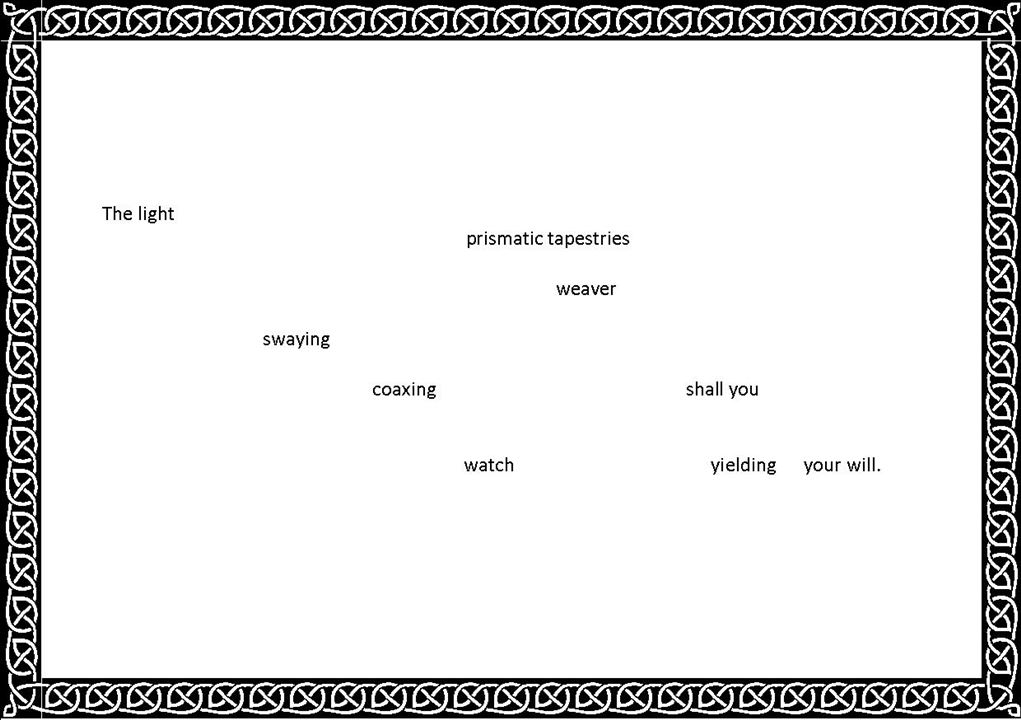
Found Poetry and Offshoots
Found poems take existing texts and refashion them, reorder them and present them as poems. The literal equivalent of a collage found poetry is often made from newspaper articles, street signs, graffiti, speeches, letters, or even other poems. A pure found poem consists exclusively of outside texts: the words of the poem remain as they were found, with few additions or omissions. Decisions of the form, such as where to break a line, are left to the poet.
Blackout poetry originated as a form of found poetry in the mid-20th century, though its roots stretch back to playful newspaper redactions in the 1700s and experimental art movements like Dada in the early 20th century. The technique became more formally recognised in the 1960s–70s through artists such as Doris Cross and Tom Phillips.
Erasure poetry, akin to blackout poetry, is where the majority of the text in a printed medium is erased, or redacted, to leave only the chosen words, thus forming a new poem. There are different types of this poetry.
Not Plagiarism with Important Caveats
- Context matters: In a classroom or contest, failing to mention the source could raise eyebrows.
- Academic versus artistic: In scholarship, copying without citation is plagiarism; in art, transformation is the point.
- Transparency: Best practice is to name the source text, especially if it’s well-known.
Early Roots
Caleb Whiteford (1700s), a neighbour of Benjamin Franklin, humorously redacted newspapers, turning serious news into jokes and puns. Though not considered ‘literary’, this is one of the earliest examples of blackout-style work.
Modern Popularisation
- Austin Kleon (2010): His Newspaper Blackout book brought the form into mainstream culture, especially online.
- Isobel O’Hare (2018): Known for politically charged blackout poems, often using celebrity apologies as source texts.
- Political resonance (2017 onward): Blackout poetry gained traction as a form of protest and commentary, especially in response to government documents and censorship.
- Wole Soyinka (1970s): Though not a ‘blackout poet’ per se, his prison poems (A Shuttle in the Crypt) and satirical sketches (Before the Blackout) embody erasure, censorship, and resistance—making him a powerful antecedent to the political uses of blackout poetry. Many have used his texts to create blackout poetry because they resonate thematically, giving him credit on the actual pieces produced.
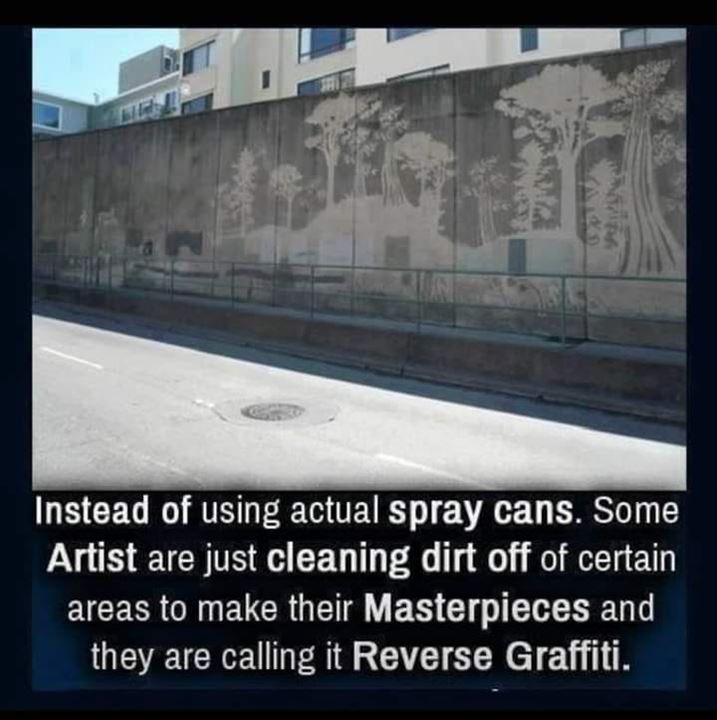
Photographer unknown
Reverse Graffiti
Around 2024, artists and activists began experimenting with graffiti erasure poetry, selectively removing or painting over sections of street art to leave behind new, often ironic or political messages. This practice was seen as an extension of found/erasure poetry into public space, and like traditional blackout poetry, it was framed as transformation rather than plagiarism. The ‘source’ was a public wall, so transparency was implicit.
Examples & Legacy
- Urban protests (2023–2024): Erasure of political graffiti in cities like New York and Berlin created new slogans from hostile or bureaucratic wall text.
- ArtReview (2024): Highlighted how erasure (including graffiti) was used to expose hidden meanings in official and public texts.
- Poetry Lab (2025): Documented graffiti as one of the everyday sources for erasure poetry, alongside newspapers and advertisements.
CONCLUSION
Whatever form the redacted poetry takes, the reuse of existing text, wall ‘art’, etc, is not plagiarism when it is transformative, transparent, and situated within artistic tradition.
All these forms remind us that originality isn’t about inventing words from scratch, but about reframing them. That’s why they’re celebrated as art rather than condemned as plagiarism.
Sources
· Liverpool Law Review (Springer, 2023): “Redact to React: Deconstructing Justice with Erasure Poetry” —situates erasure as a transformative, critical practice rather than plagiarism.
· New Writing Journal (2024/2025): “Covert and Overt Plagiarism: Poetic Attribution, Originality and Authorship” by Sarah Holland-Batt & Ella Jeffery —emphasises disclosure and transformation as the line between plagiarism and legitimate poetic reuse.
· Practitioner essays (Austin Kleon’s Newspaper Blackout, Isobel O’Hare’s blackout work) —demonstrate how artists frame erasure/found poetry as collage or remix, with transparency as the safeguard.