Substance education is a crucial aspect of a child’s development, equipping them with the knowledge and skills to make informed decisions about drugs, alcohol, and other substances. In today’s world, where peer pressure and the availability of substances are ever-present, it is imperative that children receive comprehensive education on this topic. This article explores the importance of substance education and offers creative ideas on how to engage children in learning about this vital subject.
Understanding Substance Education
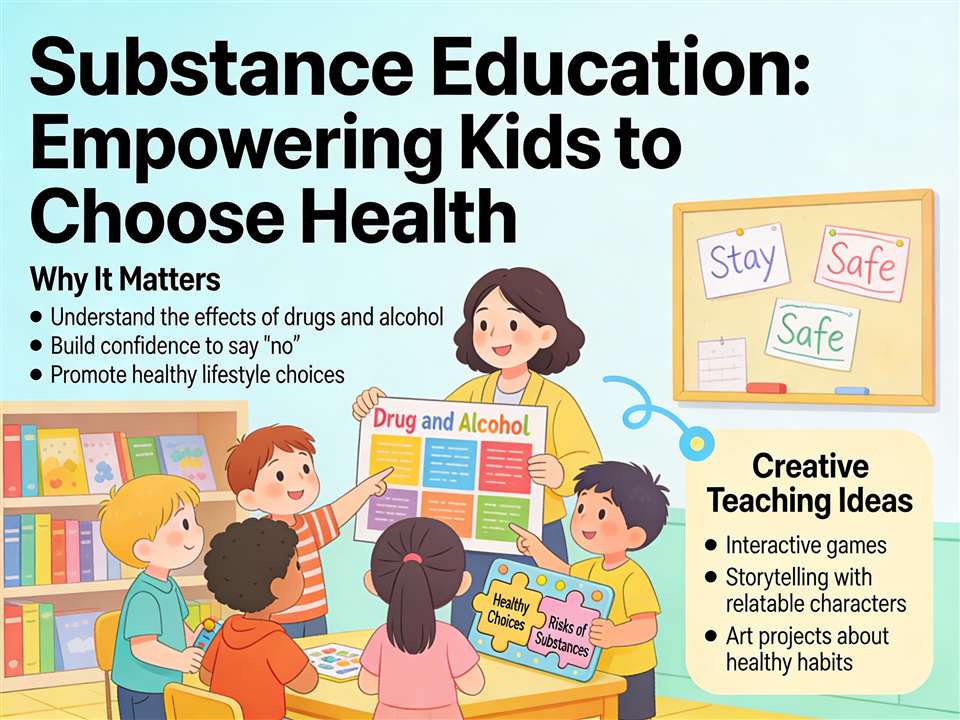
Substance education goes beyond merely informing children about the dangers of drugs and alcohol. With more young people entering an alcohol clinic for rehabilitation, education around the topic has become more paramount than ever. It encompasses a holistic approach that includes understanding the effects of substances on the body and mind, recognising the influence of peer pressure, and developing critical thinking skills. By fostering an environment where children can discuss these topics openly, we empower them to make healthier choices.
The Need for Substance Education
Awareness of Risks: Children need to understand the potential physical and psychological risks associated with substance use. Education helps demystify these substances, making them less alluring.
Building Resilience: Knowledge equips children with the tools to resist peer pressure. When they are informed, they are more likely to stand firm against negative influences.
Promoting Healthy Choices: Substance education encourages children to make positive lifestyle choices, fostering a culture of health and well-being that can last a lifetime.
Encouraging Open Dialogue: By discussing substances openly, children learn that they can talk to trusted adults about their concerns, fears, or experiences without fear of judgement.
Creative Approaches to Substance Education
Engaging children in substance education can be challenging, but employing creative methods can make the learning process enjoyable and effective. Here are some innovative ideas:
1. Poetry and Creative Writing
Using poetry as a medium allows children to express their thoughts and feelings about substances in a creative way. This can help them articulate their understanding and emotions regarding peer pressure, addiction, and personal choices.
Workshops: Organise poetry workshops where children can write their own poems about their feelings towards substances. This can be a powerful way for them to process their thoughts.
Performance: Encourage children to perform their poems. This not only boosts their confidence but also promotes awareness among their peers.
2. Interactive Workshops
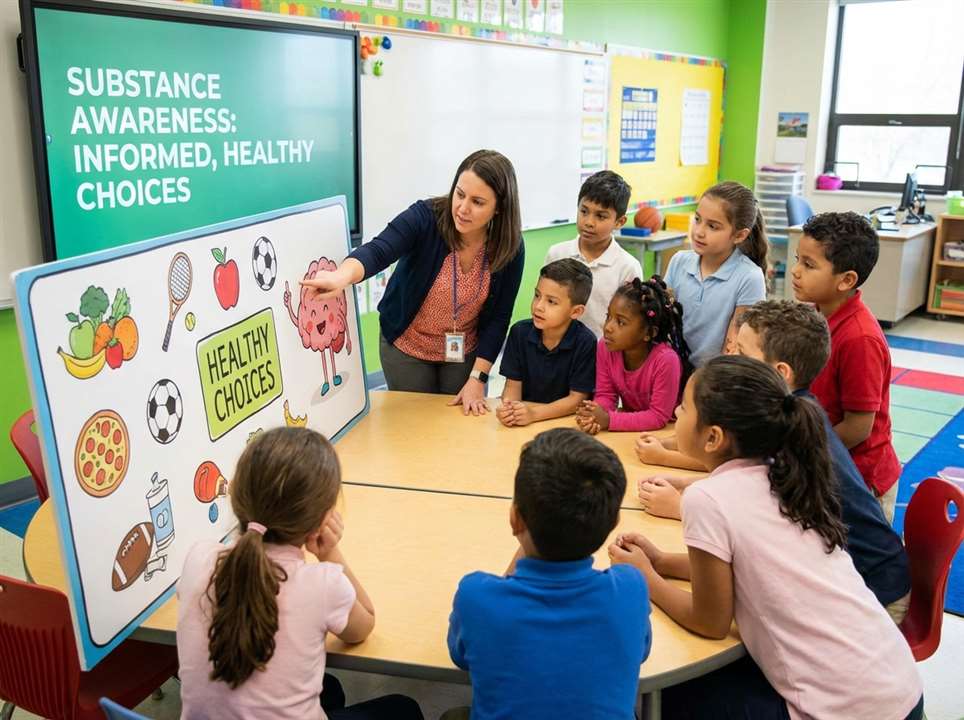
Hands-on workshops can provide children with practical knowledge about the effects of substances.
Role-Playing: Create scenarios where children can role-play situations involving peer pressure. This helps them practice responses in a safe environment.
Science Experiments: Simple experiments demonstrating the effects of substances (like the impact of sugar on the body) can be eye-opening and memorable.
3. Art and Visual Media
Art can be a powerful tool in substance education, allowing children to explore and express their ideas visually.
Art Exhibitions: Organise an art exhibition where children create pieces that represent their understanding of substance use and its effects. This can spark conversations among peers and parents.
Video Projects: Encourage children to create short films or animations about the importance of making healthy choices. This can help them understand the topic in a modern context.
4. Storytelling and Literature
Books and stories can be excellent resources for teaching children about substance use.
Book Clubs: Establish book clubs that focus on literature addressing substance use. Discussing characters’ choices can lead to meaningful conversations.
Guest Speakers: Invite authors or professionals who specialise in substance education to speak to children. Hearing real-life experiences can have a profound impact.
5. Community Involvement
Engaging the community can reinforce the lessons learned in substance education.
Parent Workshops: Host workshops for parents to educate them on how to discuss substance use with their children effectively.
Community Events: Organise events that promote healthy lifestyles, such as sports days or health fairs, where substance education is integrated into the activities.
Conclusion
Substance education is essential for helping children navigate the complexities of growing up in a world where substances are prevalent. By employing creative and engaging methods, we can foster an environment that encourages open dialogue and informed decision-making. From poetry to community involvement, there are numerous ways to educate children on this important topic. Ultimately, by investing in substance education, we are investing in the future health and well-being of our children, equipping them with the knowledge they need to make positive choices throughout their lives.