Micro data centers have moved from a fringe concept to a practical deployment model for organizations that need computing resources closer to where data is created. As applications demand faster response times and systems generate growing volumes of localized data, centralized facilities often struggle to keep pace.
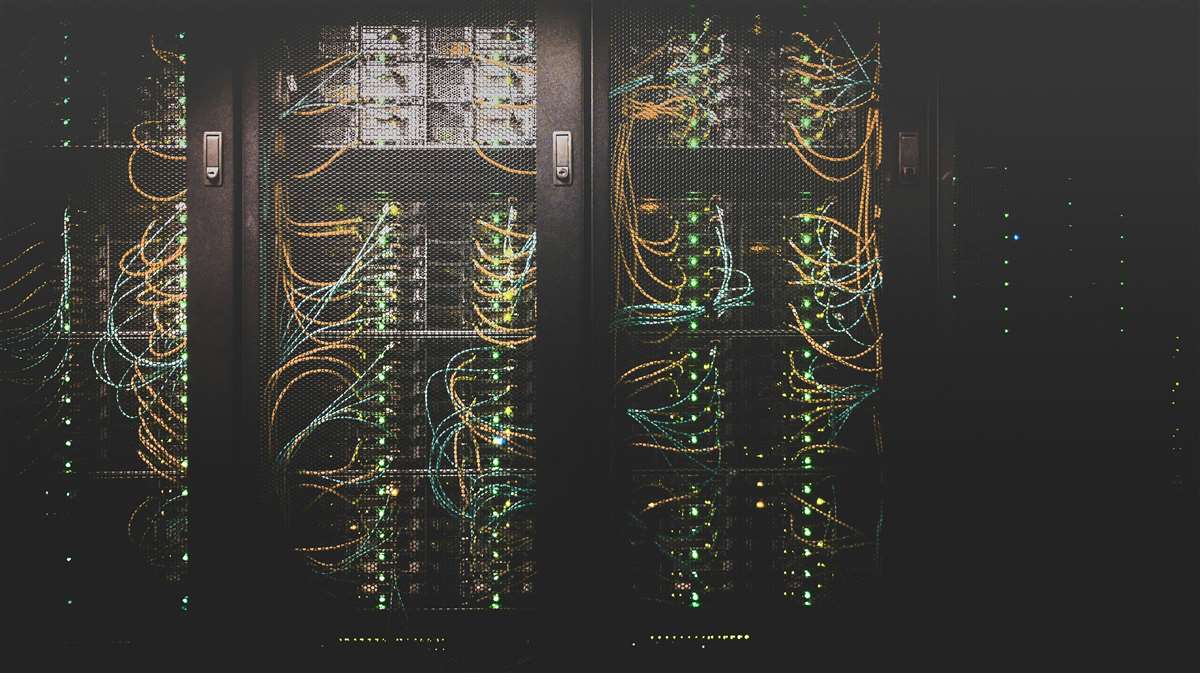
This shift has pushed enterprises to rethink infrastructure design and place compute, storage, and networking capabilities at the edge of their networks.
Distributed computing has played a central role in this transition. Rather than relying on a single hub, workloads are spread across many smaller locations that can operate independently while remaining connected. Micro data centers fit neatly into this approach, offering a compact and scalable way to support modern applications without the delays associated with long-distance data transfers.
What Defines a Micro Data Center
A micro data center is a self-contained unit that integrates servers, storage, networking equipment, power, and cooling within a small footprint. These systems are often deployed in offices, factories, retail locations, or remote sites where traditional data center builds would be impractical.
Micro data centers are in high demand due to the growing need for artificial intelligence (AI) technology. This shift has pushed enterprises to rethink infrastructure design and place compute, storage, and networking capabilities at the edge of their networks.
The global micro data center market was valued at about $6.9 billion in 2023 and is expected to grow to $29.2 billion by 2031. This exhibits a CAGR of roughly 20% over the coming years. It is primarily driven by the rising adoption of edge computing solutions and the need for real-time data processing and analytics. The increasing deployment of compact, scalable IT infrastructure across industries such as telecom, IT services, and healthcare is also driving its adoption.
How do micro data centers differ from traditional remote server rooms?
Unlike improvised server rooms, micro data centers are purpose-built systems with standardized power, cooling, security, and monitoring. They are designed for predictable performance and remote management, whereas server rooms often lack redundancy and environmental controls. This difference improves reliability, uptime, and consistency across multiple edge locations.
Micro Data Centers and Ethical Considerations at the Edge
Micro data centres help modern businesses cut costs and boost performance by offering compact, self-contained infrastructure that is cheaper to install and operate. It is also easier to scale and bring processing closer to where data is generated, reducing latency and improving real-time responsiveness.
All of these help facilitate edge computing’s prowess to process data quickly. This allows businesses to analyze behavioral patterns in near-real time. However, the same capabilities that make edge deployments effective can raise ethical concerns.
Some businesses use rapid, localized data processing to influence consumer behavior in ways that prioritize engagement over well-being. Gambling platforms, for instance, can use data and algorithms to identify vulnerable users by analyzing betting frequency, session duration, and spending patterns.
These insights may then be used to deliver highly targeted offers or incentives that encourage individuals to gamble longer and at higher stakes. This can even lead to mental health issues, as highlighted in the gambling addiction lawsuit.
According to TorHoerman Law, these lawsuits allege that platforms like DraftKings and FanDuel are deliberately fostering compulsive behavior. They are promoting “risk-free” bets and encouraging constant play to make users addicted to gambling.
Such practices can intensify harmful behaviors and negatively affect mental health. This highlights the need for stronger governance of edge computing deployments.
Are there regulations governing how edge-processed user data can be used?
Regulations vary by region, but many data protection laws already apply to edge environments, including requirements related to consent, transparency, and data minimization. As edge deployments grow, regulators are paying closer attention to how real-time analytics influence user behavior, pushing organizations to adopt clearer governance and accountability frameworks.
Operational and Infrastructure Strategy
From an operational perspective, micro data centers simplify expansion. Organizations can deploy additional units as demand grows, placing capacity exactly where it is needed. This model contrasts with large-scale expansions that require significant upfront investment and long build timelines. It also aligns with modern development practices that favor incremental scaling and rapid iteration.
There is a need for such infrastructure to keep up with growing demand. As a CNBC article notes, edge computing is expanding rapidly as organizations move computing and storage functions closer to where data is generated. Thus, rather than relying solely on centralized data centers, they aim to help applications run faster and reduce latency by processing information near the source.
According to forecasts, global spending on edge computing is growing rapidly. Industries such as manufacturing, energy, retail, transportation, and financial services stand to benefit from localized computing for tasks such as predictive maintenance and real-time analytics. However, challenges such as security risks and fragmented vendor markets remain key hurdles.
Micro data centers can mitigate these challenges by providing a standardized, secure, and scalable physical foundation for distributed workloads.
The Broader Impact on Network Architecture
As micro data centers become more common, network design is shifting to accommodate east-west traffic between distributed nodes. Data no longer flows exclusively from edge devices to a central hub and back again. Instead, processing occurs locally, with insights shared across the network as needed. This pattern reduces bandwidth strain and supports applications that depend on near-instant responses.
The presence of computing at the edge also changes how organizations think about redundancy and disaster recovery. Rather than relying on a single backup site, distributed computing allows workloads to shift between micro data centers during outages. This approach improves continuity while keeping services available closer to end users.
Network orchestration becomes more complex as edge environments expand, making visibility and traffic management increasingly important. Micro data centers help address this by serving as clearly defined network endpoints that can be monitored, updated, and secured as part of a unified architecture.
With compute and storage distributed across many locations, organizations can apply software-defined networking and automation tools more effectively, ensuring that data flows efficiently between edge nodes and central systems. This added structure reduces operational friction while supporting the scalability and resilience required for modern distributed networks.
How do micro data centers influence bandwidth planning and traffic prioritization?
With processing happening closer to users, micro data centers reduce the volume of data sent back to core networks. This allows organizations to prioritize critical traffic, limit unnecessary data transfers, and design networks around local decision-making rather than constant backhaul. The result is more predictable network performance under heavy loads.
The rise of micro data centers marks a practical evolution in how distributed computing is implemented. These compact systems bring processing power closer to data sources, support compliance and performance needs, and offer a flexible path for growth. As enterprises continue to decentralize workloads, micro data centers provide a bridge between centralized infrastructure and fully distributed architectures.
Their impact extends beyond hardware footprints. Micro data centers influence how applications are designed, how networks are structured, and how organizations respond to operational and regulatory pressures. As distributed computing continues to mature, these small but capable deployments are likely to remain a key part of modern digital infrastructure.