Christmas poetry has long served as one of the most cherished forms of seasonal expression, weaving together nostalgia, faith, wonder, and the quiet beauty of winter. From timeless verses that established the modern image of Santa Claus to meditative reflections on snow-covered landscapes and spiritual renewal, these poems continue to resonate across generations. They are recited by firesides, included in holiday cards, taught in classrooms, and shared in moments of reflection during the year’s most meaningful season. The following collection highlights ten of the most beloved Christmas poems—works that capture the magic, joy, and contemplative spirit that make this time of year so memorable.
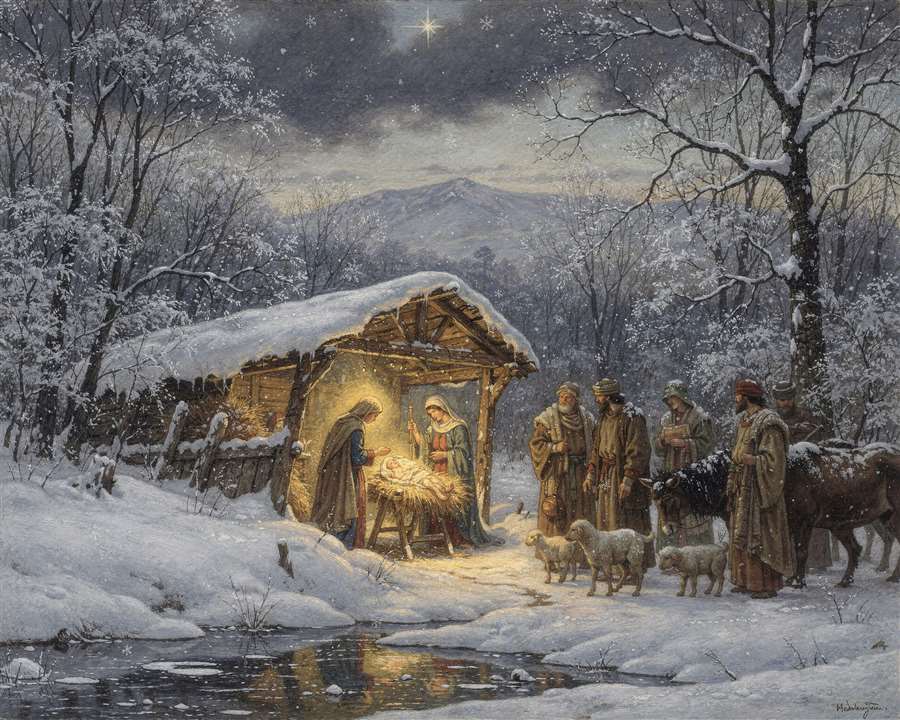
Perhaps the most iconic Christmas poem ever written, Moore’s enchanting narrative has defined the modern image of Santa Claus for nearly two centuries. With its melodic cadence and vivid descriptions—tiny hooves on the rooftop, stockings awaiting surprises, a sleigh “full of toys”—the poem transforms Christmas Eve into a moment suspended between wonder and anticipation. Families still recite it before bedtime, letting the poem’s magic ripple across living rooms lit by the warm glow of the tree.
Born from personal grief during the Civil War, “Christmas Bells” resonates with emotional depth. Longfellow contrasts the tranquility of church bells with the chaos of a nation divided, allowing readers to feel both despair and hope in the same breath. The poem’s triumphant message—that divine love persists even when the world feels broken—has made it a timeless reminder that Christmas is a beacon of peace in troubled times. Its unforgettable refrain declares resilience in the face of darkness.
This charming poem celebrates the simple joy of bringing a Christmas tree home. Cummings’ childlike voice, tender phrasing, and imaginative perspective turn the tree into a living companion being lovingly prepared for the season. With playful language and gentle affection, “Little Tree” captures the intimate ritual of decorating for Christmas and the delight found in transforming ordinary surroundings into something magical.
“The Oxen” reflects the bittersweet intersection of childhood belief and adult skepticism. Hardy tells of a Christmas Eve tradition in which oxen are said to kneel at midnight in honor of Christ’s birth. The poem expresses the longing to recapture innocence and faith, even in a world shadowed by doubt. Its quiet tone and emotional depth have made it a beloved Christmas Eve reading, especially for those drawn to reflective holiday poetry.
Rossetti’s work is a hauntingly beautiful contrast between a frozen winter landscape and the warm hope brought by the Christ child. Snow, stillness, and icy winds frame the opening stanzas, yet the poem softens into a meditation on love and devotion. Its famous final lines—offering one’s heart as the greatest gift—capture the soul of Christmas giving. Rossetti’s blend of stark winter imagery and tender spirituality makes this poem one of the season’s most cherished hymns.
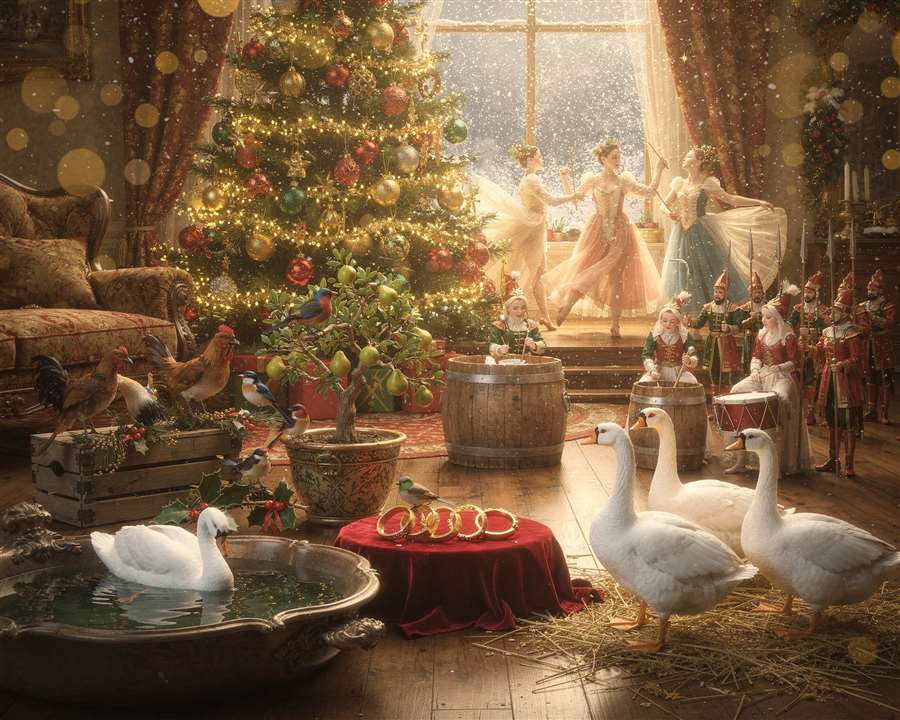
Equal parts playful and festive, this cumulative poem unfolds like a musical celebration overflowing with joy. Each verse builds upon the last, creating a delightful rhythm that has made it a favorite for generations. With its whimsical array of gifts—from the iconic partridge to the dancing ladies and leaping lords—the poem turns gift-giving into a lighthearted spectacle. It embodies the communal fun of caroling, laughter, and holiday gatherings.
From Tennyson’s In Memoriam, this powerful poem is often associated with both Christmas and New Year’s celebrations. The ringing bells symbolize renewal, hope, and the casting off of sorrow and injustice. With sweeping emotional force, it calls for the departure of “the false” and the arrival of “the true,” making it a timeless anthem for the season’s themes of rebirth, moral clarity, and collective aspiration.
Rossetti’s second appearance on this list highlights her profound ability to express the heart of the Christian message with lyrical purity. “A Christmas Carol” is a tender, melodic meditation on Christ’s birth, emphasizing joy, humility, and the transformative power of divine love. With pastoral imagery, soft rhythms, and an atmosphere of reverence, the poem encourages readers to approach the season with gratitude and open hearts.
“Christmas at Sea” is a hauntingly atmospheric poem that blends the chill of winter with the warmth of memory and moral reflection. Stevenson paints a vivid picture of a sailor battling brutal winds, icy rigging, and the lonely vastness of the ocean on Christmas morning. Through his imagery, the reader feels the sting of salt spray and the numbing cold that grips the crew as they struggle to keep their vessel from disaster. Yet beneath the hardship lies a tender emotional core: the sailor’s longing for home, his regret for past disobedience, and the soft, glowing vision of his family gathered by the fire. The contrast between the storm-torn sea and the serene domestic scene deepens the poem’s power, reminding us how distance sharpens affection and how Christmas, even in the harshest conditions, calls the heart back to love, humility, and home.

Milton’s grand ode commemorates the birth of Christ with rich imagery, majestic language, and theological depth. Written in 1629, the poem blends Renaissance artistry with spiritual reverence, depicting the Nativity as a cosmic event that ushers in peace and divine harmony. Its elevated style and sweeping narrative make it a cornerstone of sacred Christmas poetry, appealing to readers who appreciate classical literature and Christian tradition.
A Season Wrapped in Poetry
These ten Christmas poems endure because they speak to the heart of the holiday season: wonder, hope, memory, and the search for meaning. Whether celebrating the Nativity, embracing the warmth of human connection, or simply reveling in the quiet beauty of winter, each poem offers something unique and timeless. Together, they form a literary tapestry that continues to inspire readers year after year. As you revisit these classics—or discover some for the first time—may they bring light, comfort, and a renewed sense of joy to your Christmas season.